

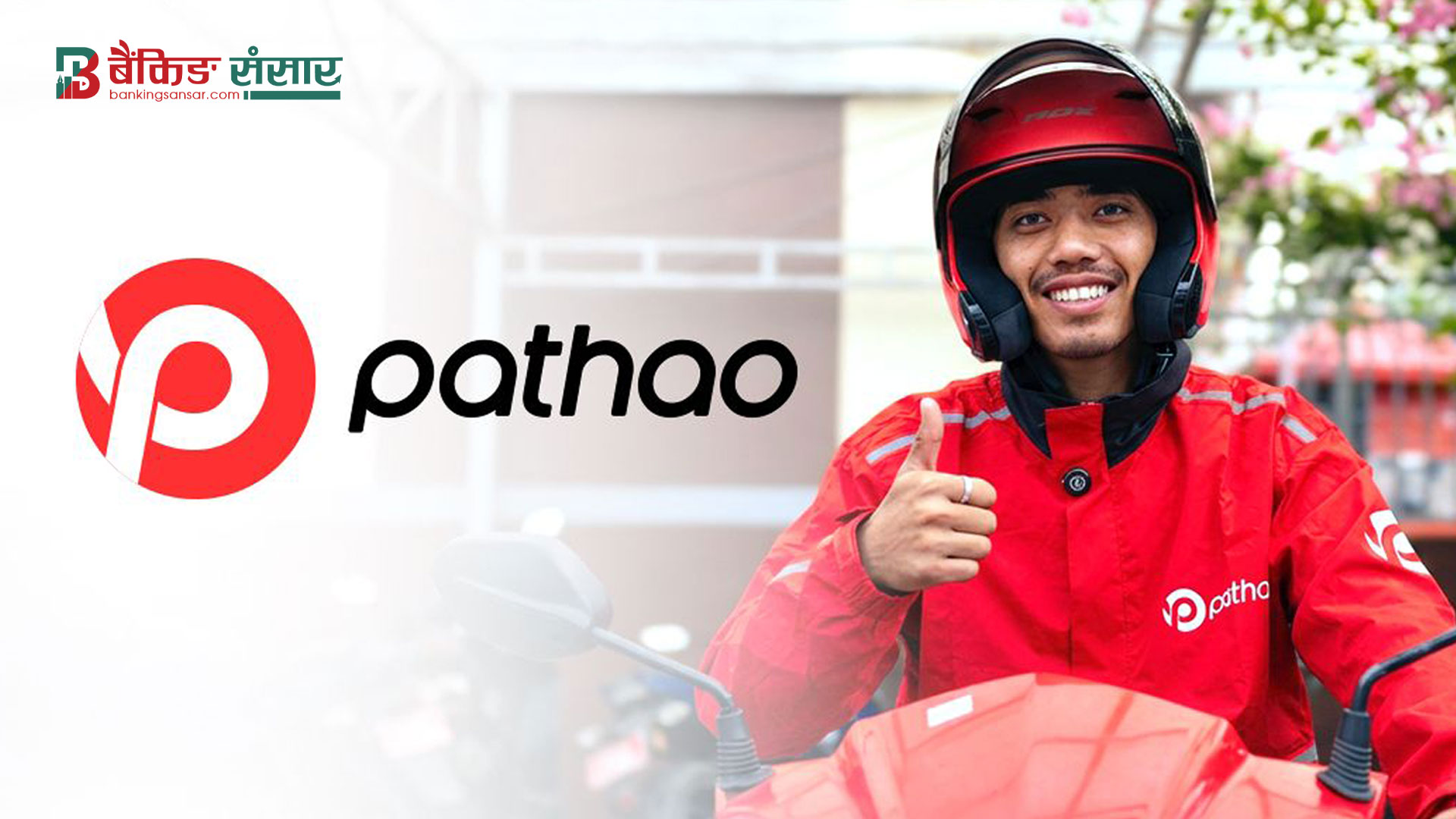
Kathmandu. Lately, riders have been demanding a minimum fare of Rs 25 per kilometre. Pathao said he agreed with the spirit of the demand.
At a time when riders working in ride-sharing service have been demanding minimum fare and income per kilometre, Pathao Nepal Pvt. Ltd. has taken the issue of fair earnings for riders seriously.
In recent weeks, riders have been demanding a minimum fare of Rs 25 per kilometre, citing increase in fuel, maintenance, insurance and other operating costs.
The riders’ union has also urged platforms including Pathao, InDrive, Yango and Uber to address their demands in writing.
Pathao has made its opinion public and said that every rider should get a fair price for their labor, time, investment and risk. According to the company, only if the riders are financially sustainable, they will be able to maintain the vehicle, pay attention to safety and provide reliable service to the passengers.
Positive to demand of Rs. 25
Pathao has said that it does not disagree with the spirit of the demand of Rs 25 per km raised by the riders. Ensuring proper income for the riders is not only related to the rider’s interest but also to the overall sustainability of the ride-sharing service.
However, Pathao’s existing fare structure is not based on a flat rate of Rs 25 per kilometre.
The company has said that the fare will be determined by including base fare, per kilometer fare and per minute fare.
According to Pathao, the effective fare is around Rs 25 per km on an average.
Earlier, the representatives of Pathao had claimed that the riders were demanding Rs 27 per kilometer, while the company was paying an average of Rs 25 per kilometer.
Platform fee of Rs. 12 instead of commission{
}
Pathao said it has decided to reduce its share rather than reducing rider income due to increasing price competition in the market.
According to the company, the commission structure of up to 20 percent on bike service has been changed to a fixed platform fee of Rs 12.
The company claims that the fee will not be deducted from the rider’s income but will be included in the total fare paid by the customer.
However, Pathao’s recently made public terms of service states that the company can determine or change the service charge and the total amount paid by the passenger may include the company’s software usage charge.
Therefore, it seems necessary to compare the terms of service with the company’s latest details on the actual implementation of the fee structure.
The government’s proposal also includes a base price of Rs 25
}
The issue of Rs 25 is also linked between the demand of the riders and the government’s proposal. According to the proposed criteria for digital mobility prepared by the Ministry of Physical Infrastructure and Transport, a base price of Rs 25 per kilometer has been proposed for two-wheeler ride-hailing. For four-wheeler service, Rs 55 per kilometer was offered. There was also a proposal to provide additional fees at night and in special circumstances.
However, there have been reports that the rule-making process is still in dispute due to lack of consensus on fare, commission, and the use of private vehicles.
Operating cost of rider up to Rs. 14-15
}
Riders have been saying that the current income is difficult to cover the operating expenses. During the recent protests and discussions, the riders have claimed that their minimum operating cost is Rs 14-15 per kilometer. They said that in some cases, they get an effective income of Rs 12-14 or less in the market.
The rider representatives have also demanded that the minimum base rate should not be less than Rs 25 as per the study conducted by the experts of the Institute of Engineering, Pulchowk.
Send claims to prioritize safety and welfare
}
Pathao has said that the interest of the rider is not limited to the fare. The company has provided insurance coverage during rides, quick response team for emergency assistance and 24-hour assistance for redressal of problems and complaints.
Pathao’s website also mentions that there is an insurance facility for bike rides.
According to the insurance details made public by the company, there is a provision of coverage up to Rs 10 lakh for accidental death and permanent disability and separate coverage for accident-related treatment.
Under the ‘Pathao Benefit Program’, the company has been providing assistance on petrol expenses, bike servicing, mobile data, discounts on health and other services, educational assistance, and income support in case of accidents.
Ready to be implemented as a uniform criterion{
Pathao has emphasized that the common fare structure or minimum rate should be applied equally to all platforms through consensus between the government, rider representatives, digital platforms and other stakeholders.
The Company is ready to amend its existing Fare Structure{ as needed if such a provision is applied uniformly.
Meanwhile, the riders have been demanding clear and uniform arrangements on minimum fare, commission, insurance and security.
Although the government is also in the process of regulating the ride-hailing sector, the dispute continues due to lack of consensus on the fare.
This indicates that there is a need for further discussion between the government, companies and riders on rider revenue, passenger service charges and the business model of digital platforms.