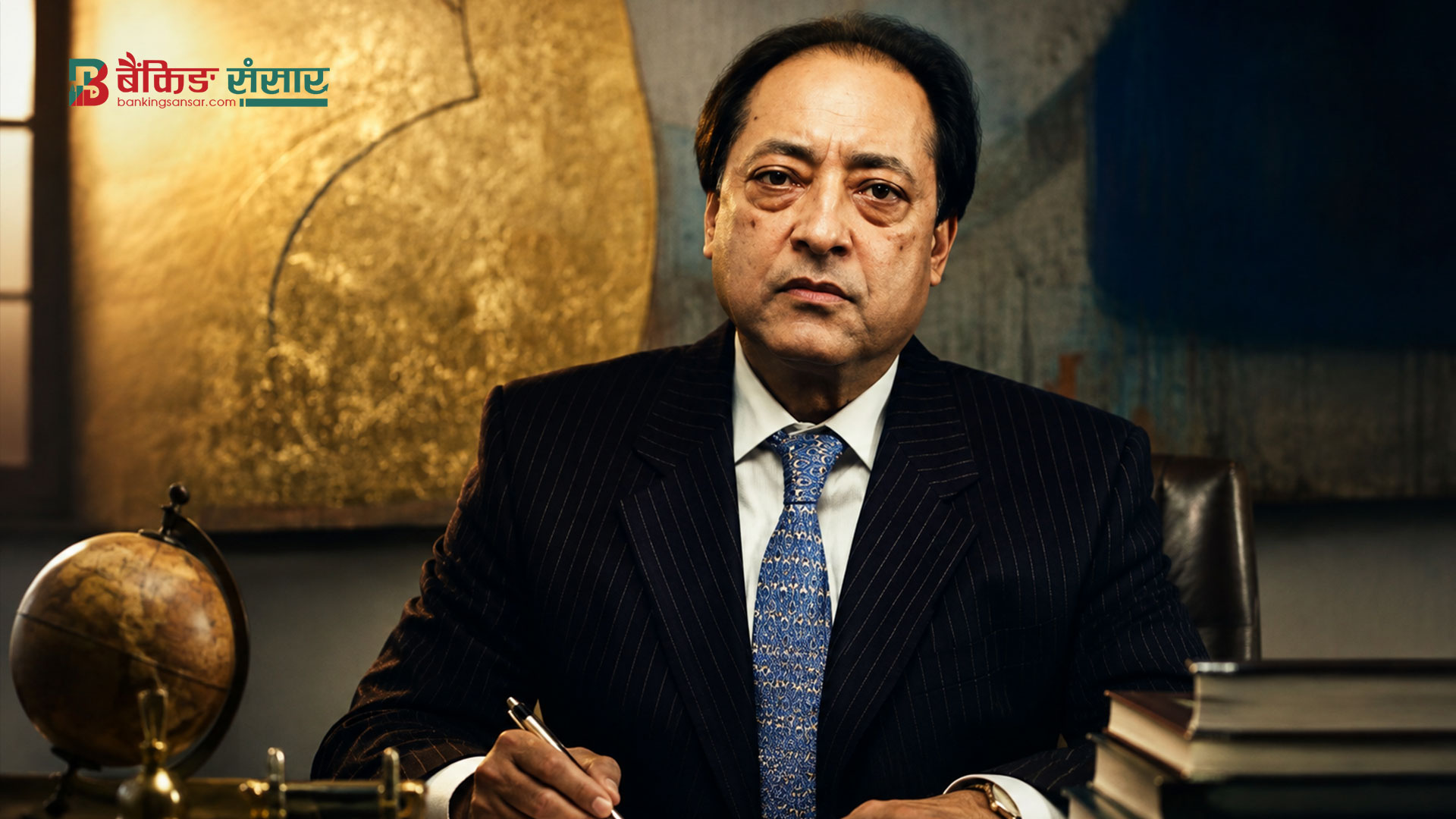








Kathmandu. Goldstar is one of the most popular footwear brands in Nepal. This brand, which is used by the Prime Minister and the general public, is presented as a successful example of Nepali products. However, the question of who laid the foundation of this success and where those characters are today is rarely raised.
When we look at the story of the beginning of the Goldstar brand, the name of Kundan Pratap Jung Bahadur Rana comes at the center of it. He started his career with his father Noor Pratap Rana in Hetauda by manufacturing elephant slippers. Later, he founded Kiran Manufactures in the name of his wife Kiran Rana and expanded the Goldstar brand.
As the business grew, Goldstar became one of the most recognizable footwear brands in Nepal. However, with the growth of the company, the faces seen in public changed. There is also a comment that the role of the founding generation, who took risks in the initial stage, worked hard for production and market expansion, is gradually being overlooked.
The conflict period is particularly notable in the history of the Goldstar. The brand faced a challenging situation after Gold Star shoes were identified with guerrilla identities during the Maoist movement. The company managed to survive despite security sensitivities and negative market impacts.
However, with a new generation at the forefront of building a brand’s public image today, questions have been raised about the contributions of early investors and founders not being adequately exposed. In particular, the role of Kiran Rana and founder Kundan Rana, who is associated with the name of the company, is also debated in the corporate history.
This issue is not just an internal question of a company or a family. It has also sparked debate about the tendency of the founding generation to overshadow the contributions of the founding generation in many business houses in Nepal and for the next generation to take more credit for success. Goldstar’s success is undeniable. However, voices are now being heard that the contribution of those who laid the foundation for the history of success should be equally remembered.