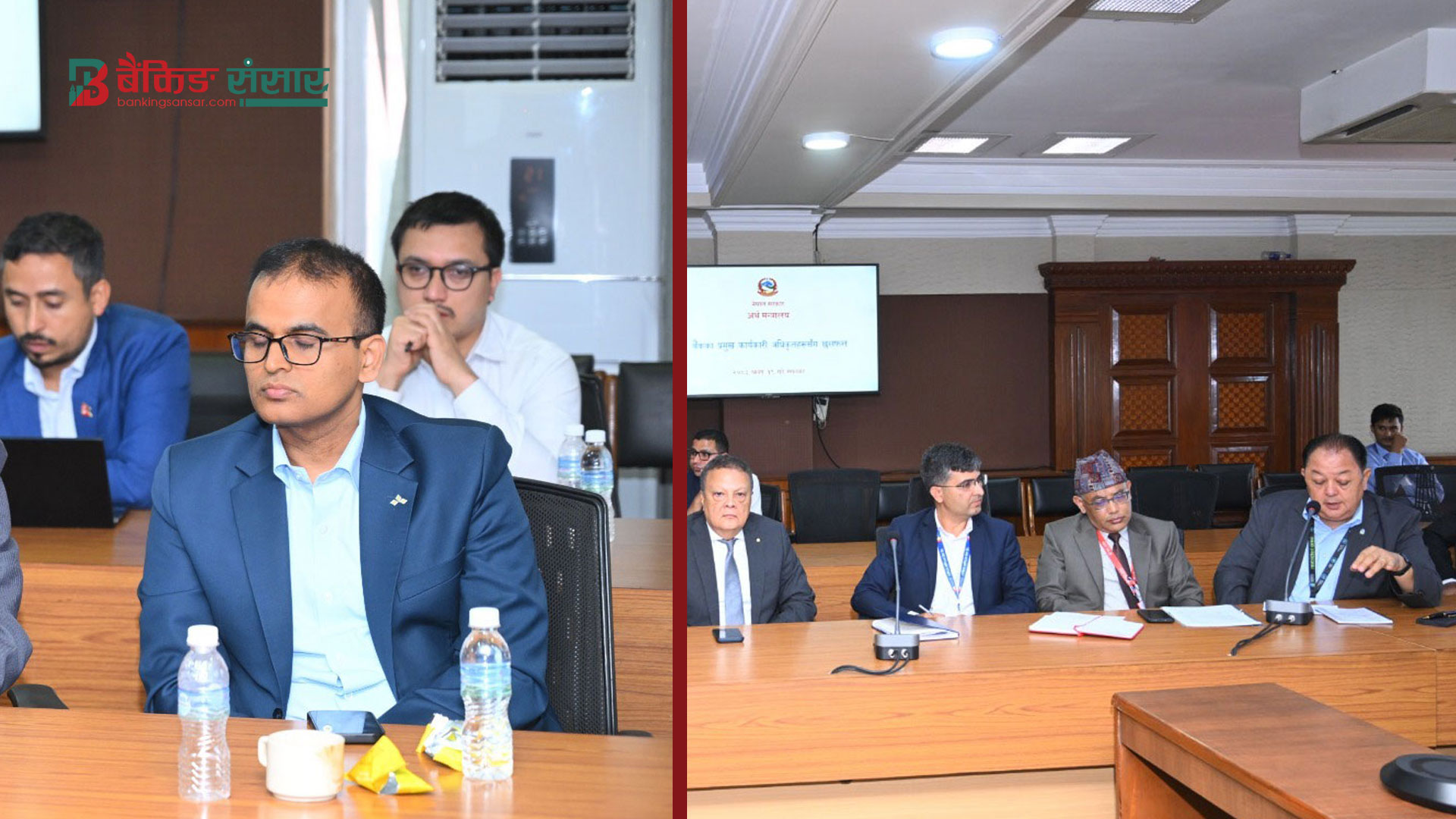
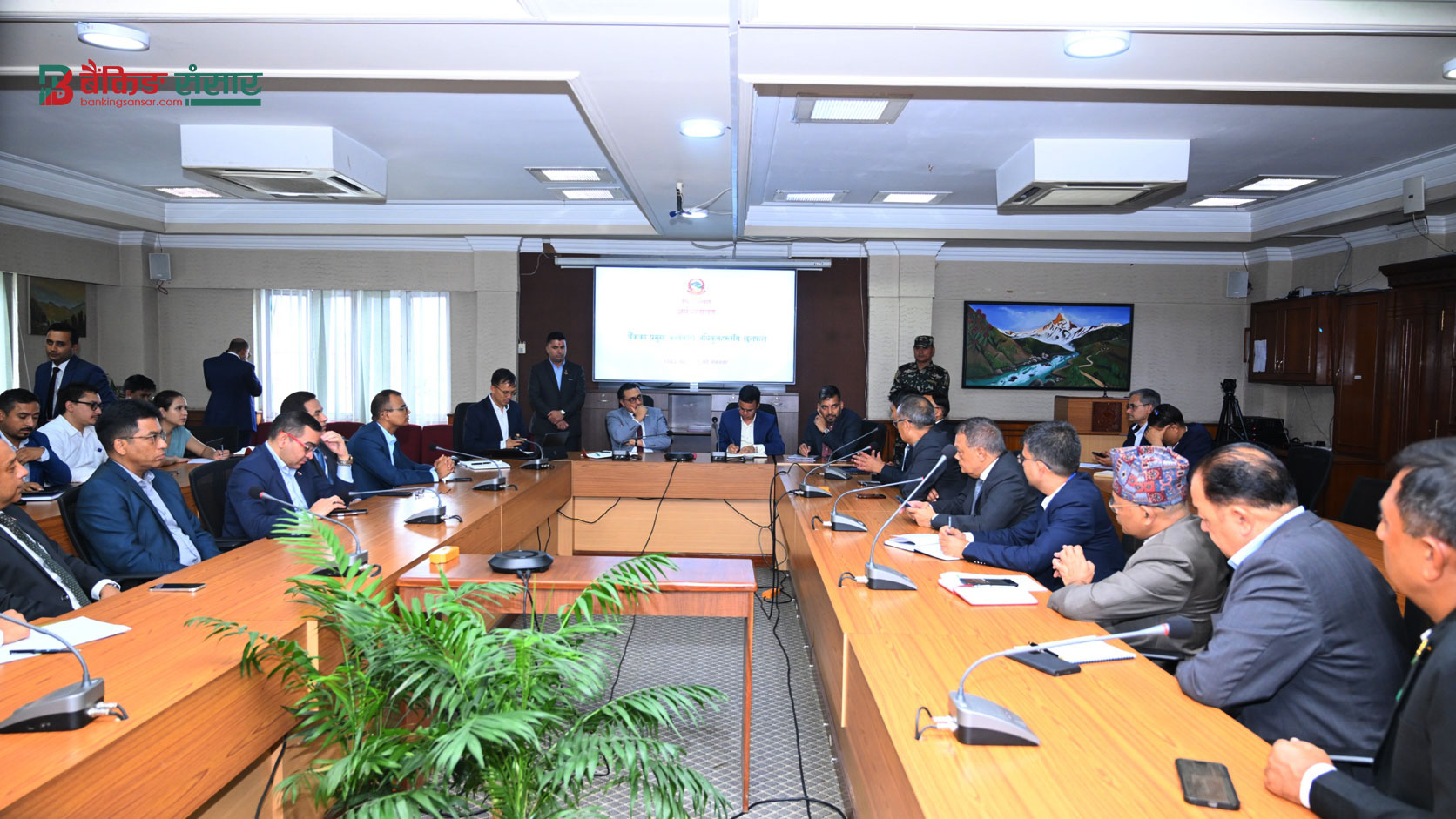
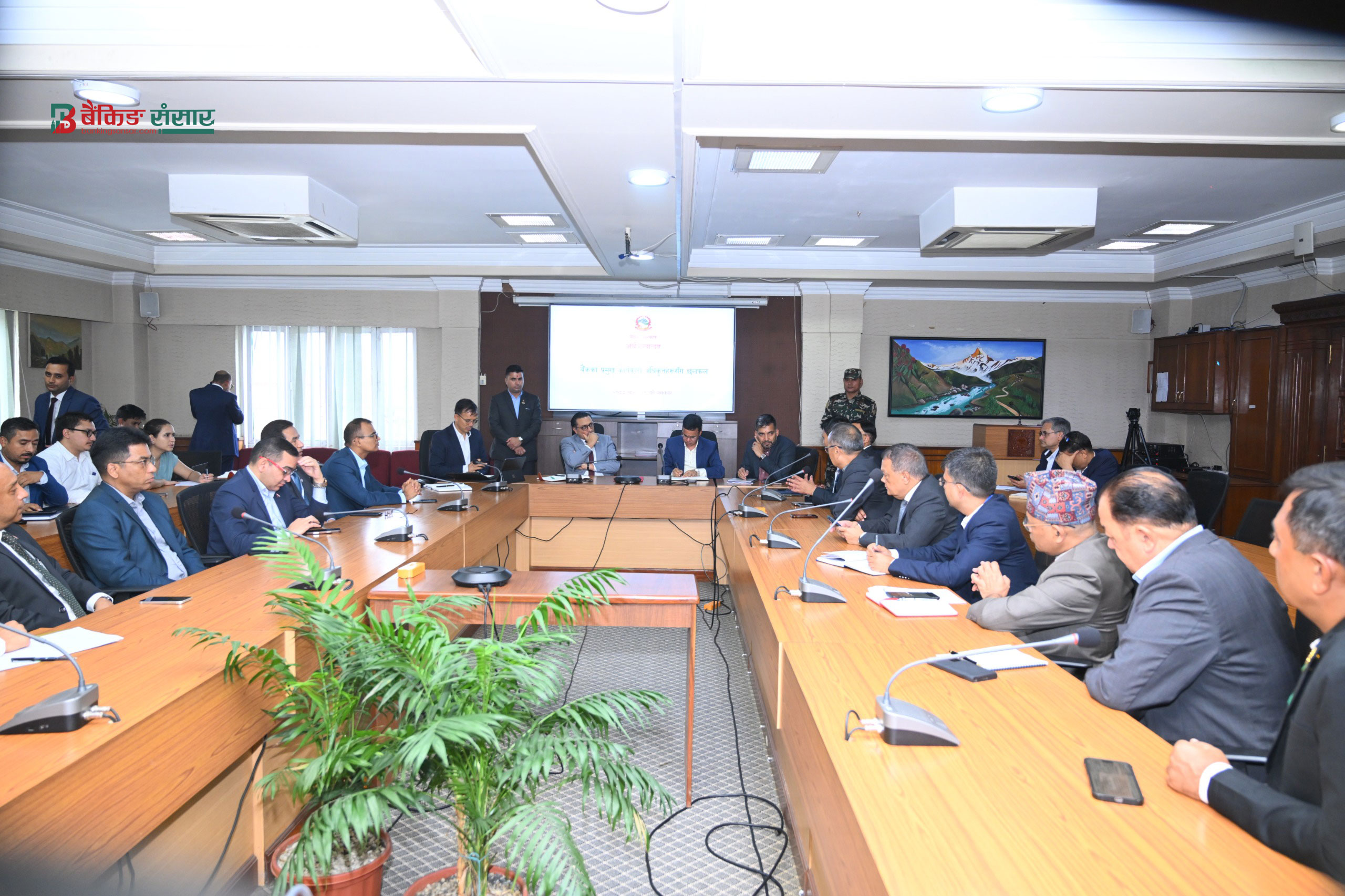
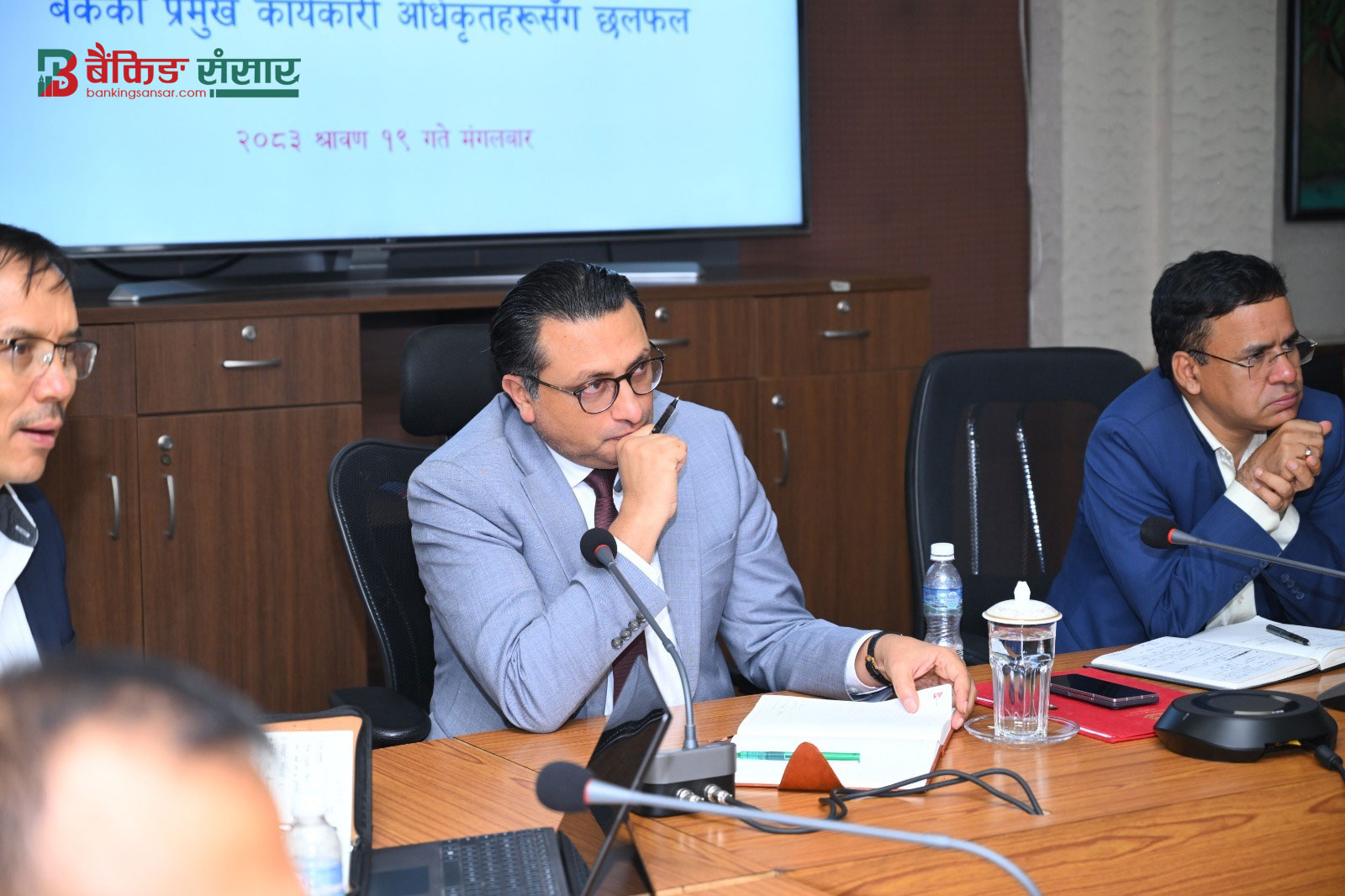
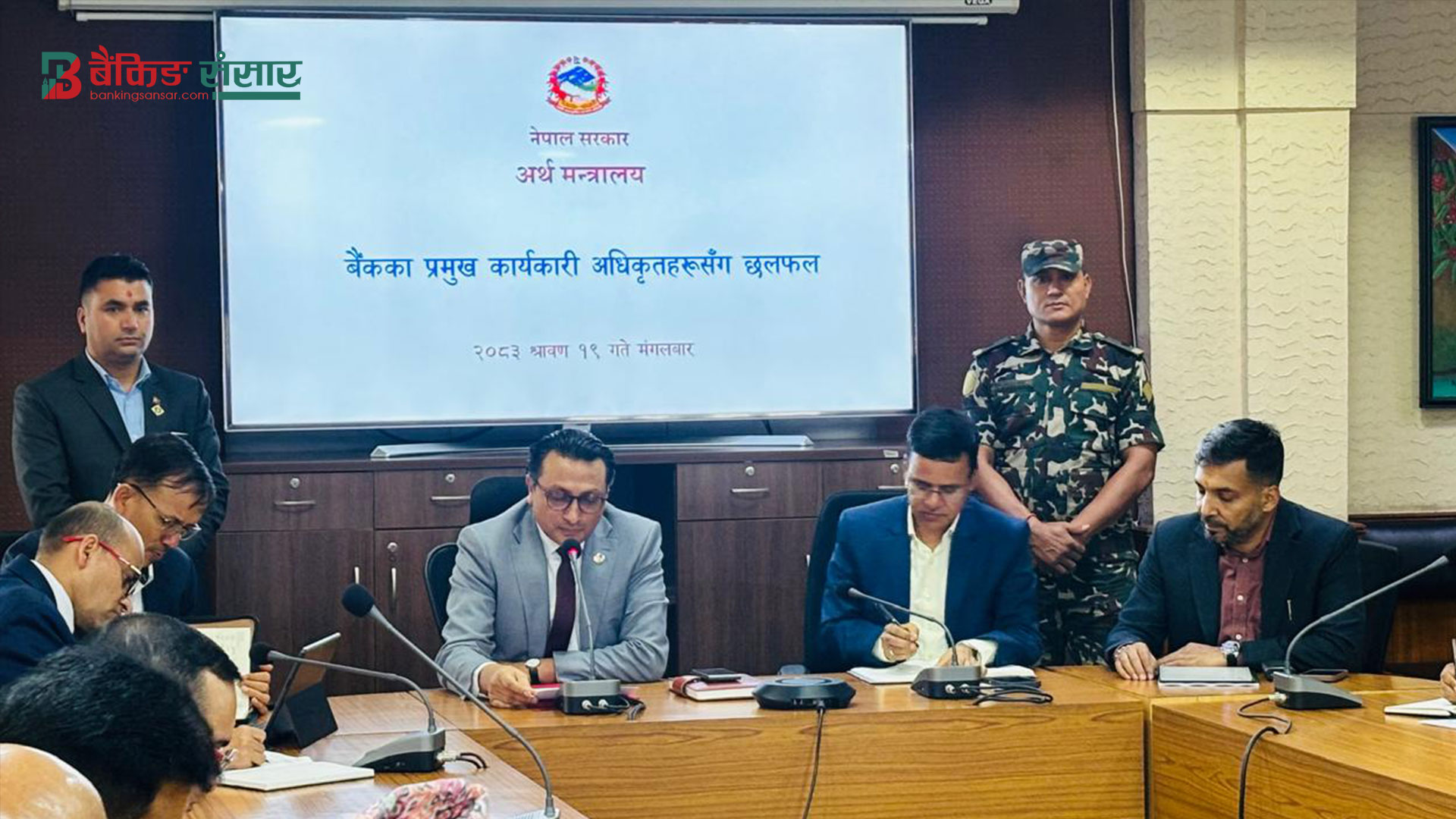
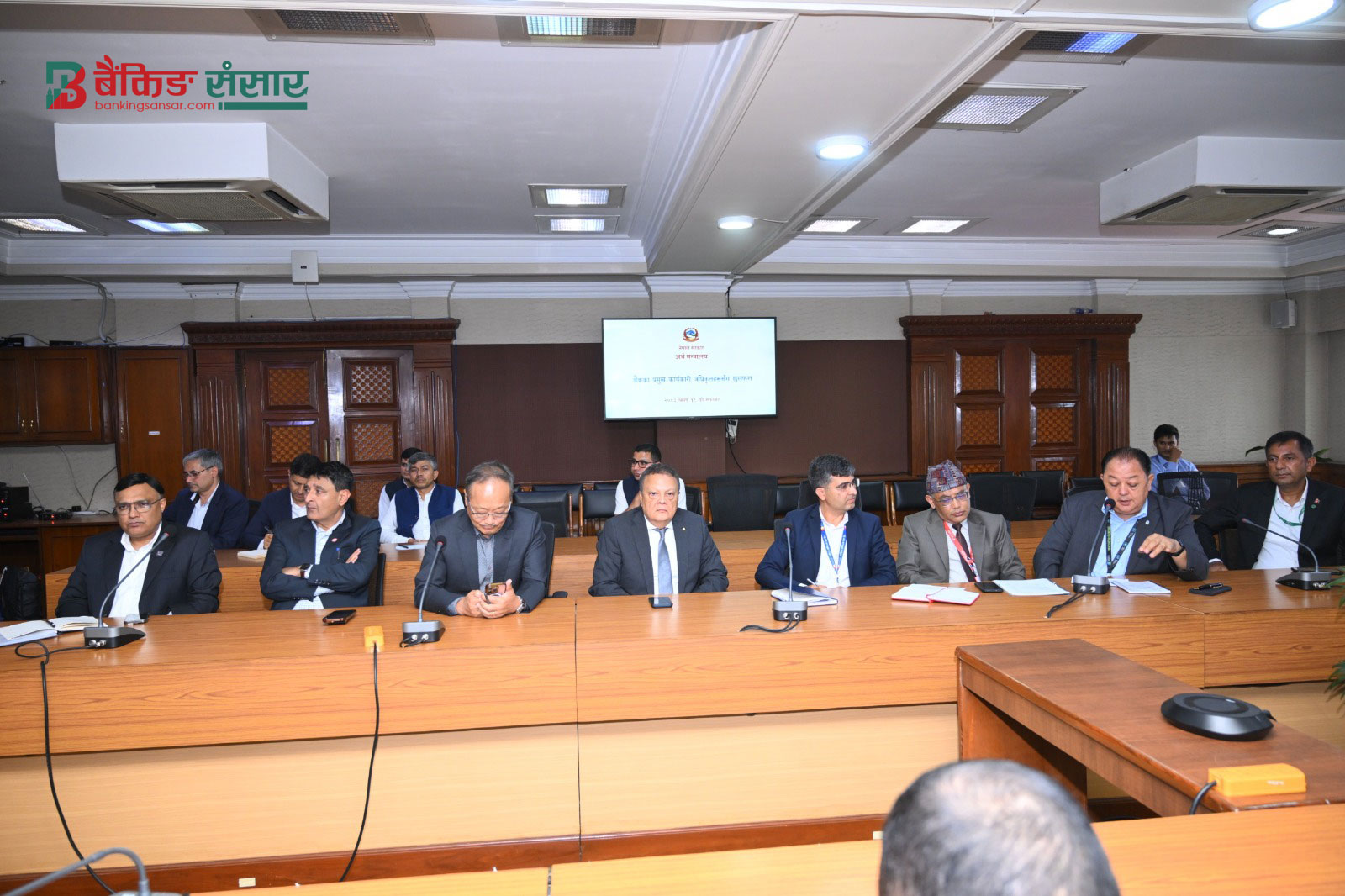
Kathmandu. In the meeting with the Finance Minister, the bankers openly put forth their views. Since there was no representative of the Rastra Bank and the media was also kept out, they had expressed their views without any hesitation. But even though the rest of the meeting was said to be an internal discussion behind closed doors, after the meeting was over, some bankers were busy briefing the media and NRB officials about who said what.
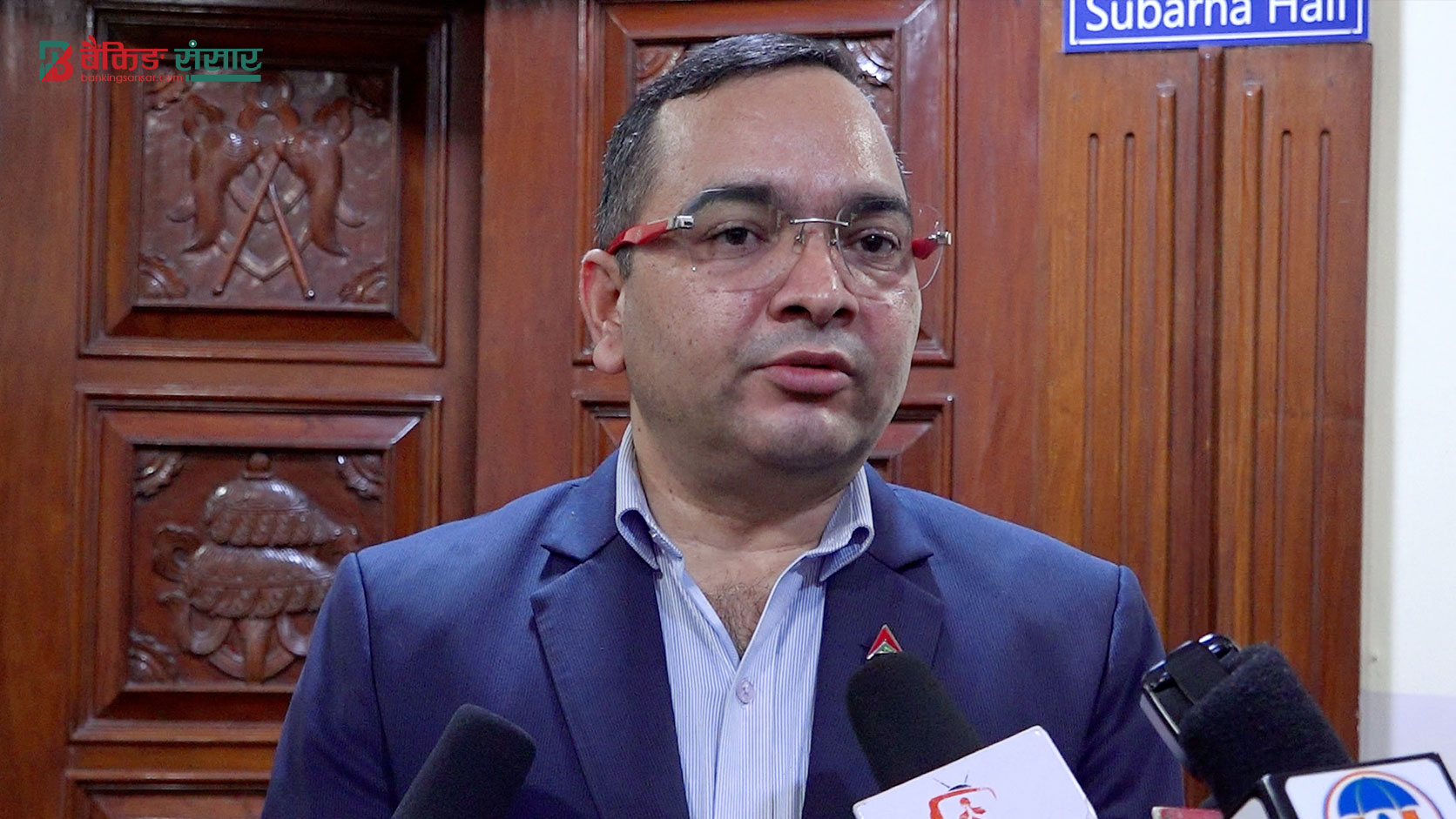
{{TAG_OPEN_div_41} Speaking to the media persons after the meeting, Manoj Gyawali had a strong statement with the Finance Minister even though he presented himself in a very formal manner. He suggested that there is a need to change the policy of provision on bad loans. Stating that the problem has arisen due to the regulatory system to provide for bad loans, he claimed that it is time to change the policy. He said that the government should think about the number of blacklisted people in the market.
The CEO of Citizens Bank was focused on hydro.TAG_OPEN_div_39 Pokharel was talking more about hydro than the problems of the banking sector and their solutions. In his speech, he claimed that the number of people who want to invest in hydro is very high and there is no problem in hydro as is being rumored outside.
Jyoti Prakash of Nepal Investment Mega Bank claimed that there is a problem in expanding investment due to the merger.TAG_OPEN_div_37 He even said that the merger was forced. He also stressed the need to take appropriate action against those who take loans but do not repay.
Global IME Bank’s Chief Executive Officer Surendra Regmi, who is also the vice-president of the Bankers’ Association, said that the government should play a role in boosting the confidence of entrepreneurs.TAG_OPEN_div_35 On the other hand, CEO of Laxmi Sunrise Bank, Ajay Shah, said that small entrepreneurs should invest in small businesses.
Sudesh Khaling, chief executive officer of Everest Bank, who is known as the CEO of Everest Bank, said that the government should support the government in extending loans to the villages.TAG_OPEN_div_33 He also said that the government should increase its expenditure.